Leadership training is one of the few investments that continues to create value long after the programme is over.
Over the years, I have worked with organisations across industries, from growing SMEs to large enterprises. While every business has its own goals, market realities, and growth aspirations, one pattern appears repeatedly.
The organisations that sustain momentum over time are often the ones that invest consistently in leadership capability.
A business may have a strong strategy, talented people, and ambitious plans. Leadership brings these elements together. It creates alignment, encourages ownership, and helps people move in the same direction.
This is why the practice continues to receive attention from CEOs, CHROs, HR leaders, and business heads. As organisations grow, leadership expectations evolve. Managers are expected to guide teams, build collaboration, support performance, and create clarity in increasingly dynamic environments.
Such programmes helps prepare people for these responsibilities in a structured and practical way.
Why Leadership training matters?
Many organisations invest considerable effort in attracting talent. The next opportunity lies in helping that talent grow into effective leaders.
A high-performing professional often earns greater responsibility because of expertise, commitment, and results. As responsibilities expand, leadership expectations also expand. Conversations become broader, decisions influence more stakeholders, and people begin looking to leaders for direction and confidence.
This is where structured development creates value.
It helps individuals strengthen their ability to communicate clearly, make thoughtful decisions, build accountability, and work effectively across teams. It also creates a shared understanding of leadership expectations throughout the organisation.
One of the most encouraging outcomes is consistency. Teams benefit when leaders approach communication, performance, and collaboration with a common mindset. This consistency often strengthens culture, improves execution, and creates a more positive employee experience.
What growing Leaders learn along the way?
When people hear the term, they often think about presentations, workshops, or leadership models.
In reality, an effective programme focuses on helping leaders navigate everyday situations with greater confidence and effectiveness.
A strong leadership development programme typically builds:
Decision-Making Leaders influence priorities, people, and outcomes. This kind of development helps them make decisions with greater clarity and perspective.
Communication Clear communication builds trust. It encourages leaders to communicate expectations, provide meaningful feedback, and create alignment.
Accountability Ownership grows when expectations are clear. It helps leaders create environments where accountability becomes part of the culture.
Collaboration Modern organisations depend on collaboration across functions. It strengthens the ability to build productive relationships and work towards common goals.
Team Development Leadership is also about helping others succeed. It encourages leaders to recognise potential, support growth, and create opportunities for learning.
These capabilities influence not only individual performance but also the overall effectiveness of the organisation.
A pattern I often notice in growing organisations:
A few years ago, I worked with an organisation that was experiencing healthy growth. New opportunities were emerging, teams were expanding, and business momentum was encouraging.
The leadership team was pleased with the progress. At the same time, they recognised an important opportunity.
Several managers had taken on larger responsibilities within a relatively short period. They were knowledgeable, committed, and highly respected within their functions. The organisation wanted to help them prepare for the next phase of growth.
A focused leadership development initiative was introduced.
The discussions centred around communication, delegation, accountability, stakeholder management, and team leadership. Rather than focusing purely on theory, the programme encouraged participants to reflect on real workplace situations.
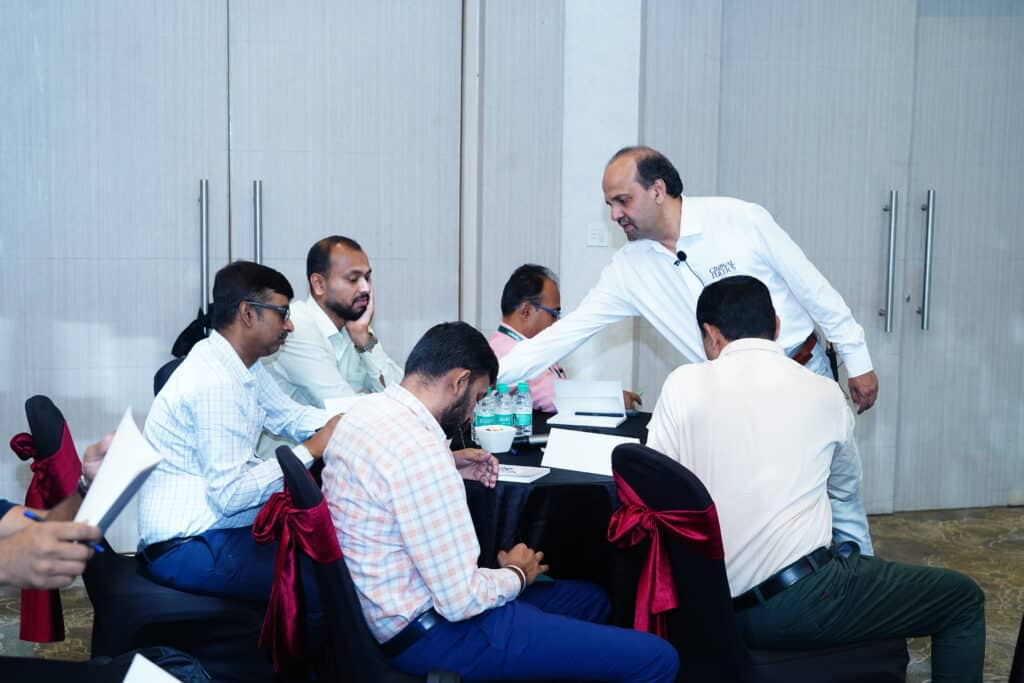
Over time, something interesting happened.
Managers became more comfortable involving their teams in decision-making. Conversations across departments became more constructive. Team members demonstrated greater ownership of their responsibilities. Leaders developed a broader understanding of organisational priorities.
The organisation continued growing, supported by leaders who were becoming increasingly capable of guiding people and creating alignment.
Experiences like these reinforce an important lesson: leadership capability grows when people are given the opportunity to learn, reflect, and apply new perspectives.
Leadership training across different levels
One of the strengths of this approach is its relevance across multiple levels of an organisation.
First-Time managers The transition into management is an exciting stage of professional growth. Such programmes help individuals build confidence in leading teams, conducting conversations, and creating accountability.
Middle managers Middle managers often influence execution, engagement, and organisational culture more than any other leadership layer. This development helps them connect strategy with day-to-day action.
Functional leaders As responsibilities expand, leaders are required to collaborate across teams and influence broader business outcomes. Structured development supports this transition.
Future leaders Many organisations identify high-potential talent long before leadership roles become available. It helps prepare these individuals for future opportunities and strengthens succession readiness.
In many organisations, Dinkar’s CUVA™ approach – Connect, Understand, Value and Appreciate supports the mindset required to build stronger relationships, encourage collaboration, and create meaningful professional connections.
Growth often reveals the need for Leadership Training
Business growth creates opportunities. It also creates new expectations.
Larger teams require stronger communication.
Greater complexity requires better decision-making.
New initiatives require collaboration across functions.
Future growth requires a pipeline of capable leaders.
A structured programme helps organisations prepare for these opportunities.
I often encourage leadership teams to reflect on a simple question:
Are we investing in leadership capability with the same intention that we invest in business growth?
The answer often reveals where the next opportunity lies.
Organisations that invest in this kind of development are investing in people who influence culture, execution, customer experience, innovation, and future growth. The impact extends well beyond the classroom. It becomes visible in everyday conversations, decisions, and actions across the organisation.
For organisations reviewing leadership readiness, succession depth or managerial capability, Groval Selectia can serve as a thinking partner in shaping more thoughtful leadership development conversations.
Further Perspectives:
- Why leadership alignment determines organisational consistency more than strategy
- Human Connection: The strategic advantage technology cannot replicate
- Creating cultures that encourage curiosity and innovation
Leadership training across India’s growth hubs:
Leadership expectations may differ across industries, but one pattern remains consistent. Organisations in Mumbai’s financial ecosystem, Bengaluru’s technology sector, Delhi NCR’s diverse business landscape, Hyderabad’s expanding enterprise environment, and Pune’s manufacturing and innovation corridors are all investing in stronger leadership capability. As businesses grow, such initiatives help managers and leaders create alignment, strengthen collaboration, and prepare teams for future opportunities.
FAQs
Leadership training is a structured development process that helps individuals strengthen leadership capabilities such as communication, decision-making, accountability, collaboration, and team development.
It helps organisations develop leaders who can guide teams effectively, create alignment, encourage ownership, and support business growth.
This kind of development is valuable for first-time managers, middle managers, functional leaders, senior leadership teams, and high-potential employees preparing for future responsibilities.
It strengthens leadership capability across the organisation, helping teams collaborate effectively, make better decisions, and contribute to shared business objectives.
Begin by identifying the leadership capabilities most important to your organisation’s future goals and creating a roadmap aligned with those priorities.